GROUNDWORK #04
Joint Width & Spacing
Observation
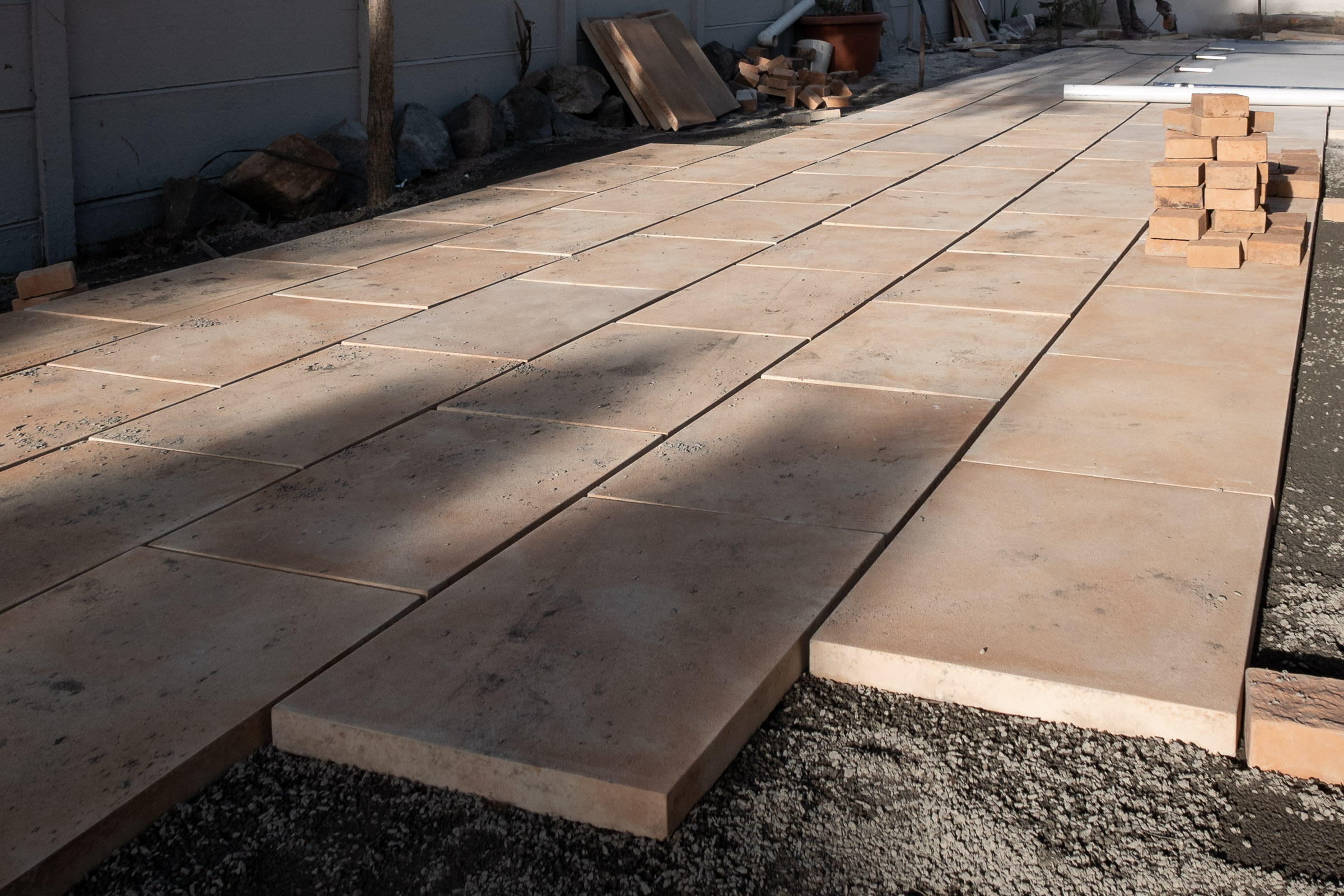
Narrow, consistent joints generally create a more refined and continuous surface. Wider joints make each individual paver more visible, strengthening the pattern and giving the paving a more relaxed or handcrafted quality.
Even small inconsistencies become noticeable when the same joint is repeated across an entire driveway, patio or walkway.
Design Principle
Joint spacing should be considered as part of the paving design rather than treated simply as the space left between units.
The appropriate width depends on the material, the laying pattern and the intended character of the space. Formal geometric layouts usually benefit from controlled, consistent joints, while irregular stone or garden paths can accommodate greater variation.
Whatever the approach, repetition creates visual order.
Material Insight
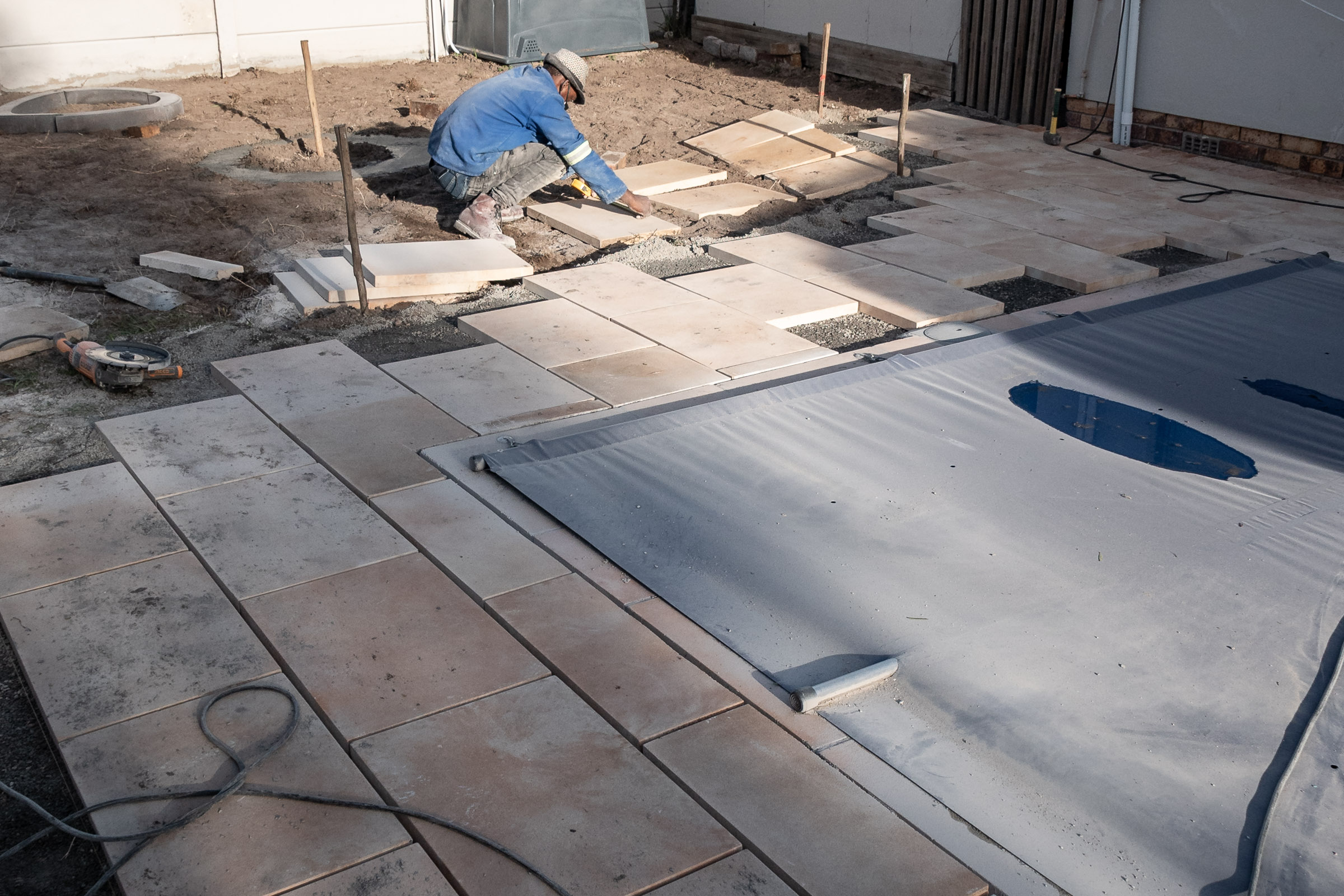
Manufactured concrete pavers are designed to be installed with a defined joint rather than pressed tightly against one another. The jointing material helps stabilise the paving and accommodates the minor dimensional variations found between individual units.
Natural stone and handmade products often require wider or more variable joints because their edges are less uniform.
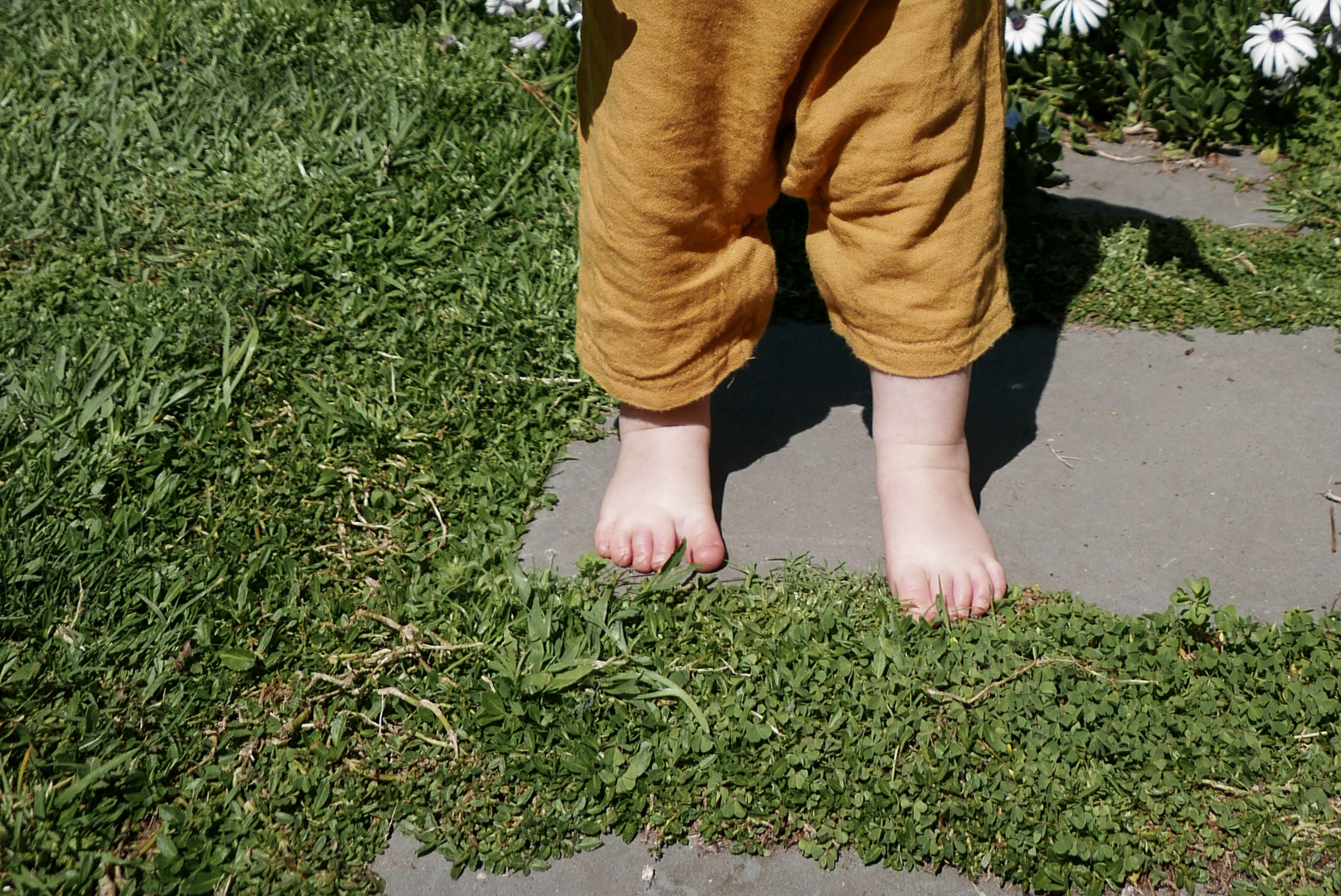
Joint material also matters. Fine sand creates a quieter finish, while gravel, mortar or low planting can make the joints a more visible part of the composition.
Takeaway
Joint width changes how paving feels:
- Narrow joints create a cleaner, more continuous surface.
- Wider joints emphasise the individual units and laying pattern.
- Consistent spacing makes even simple paving appear more carefully resolved.
The best joint is not always the smallest one—it is the one that suits the material and reinforces the intended character of the space.
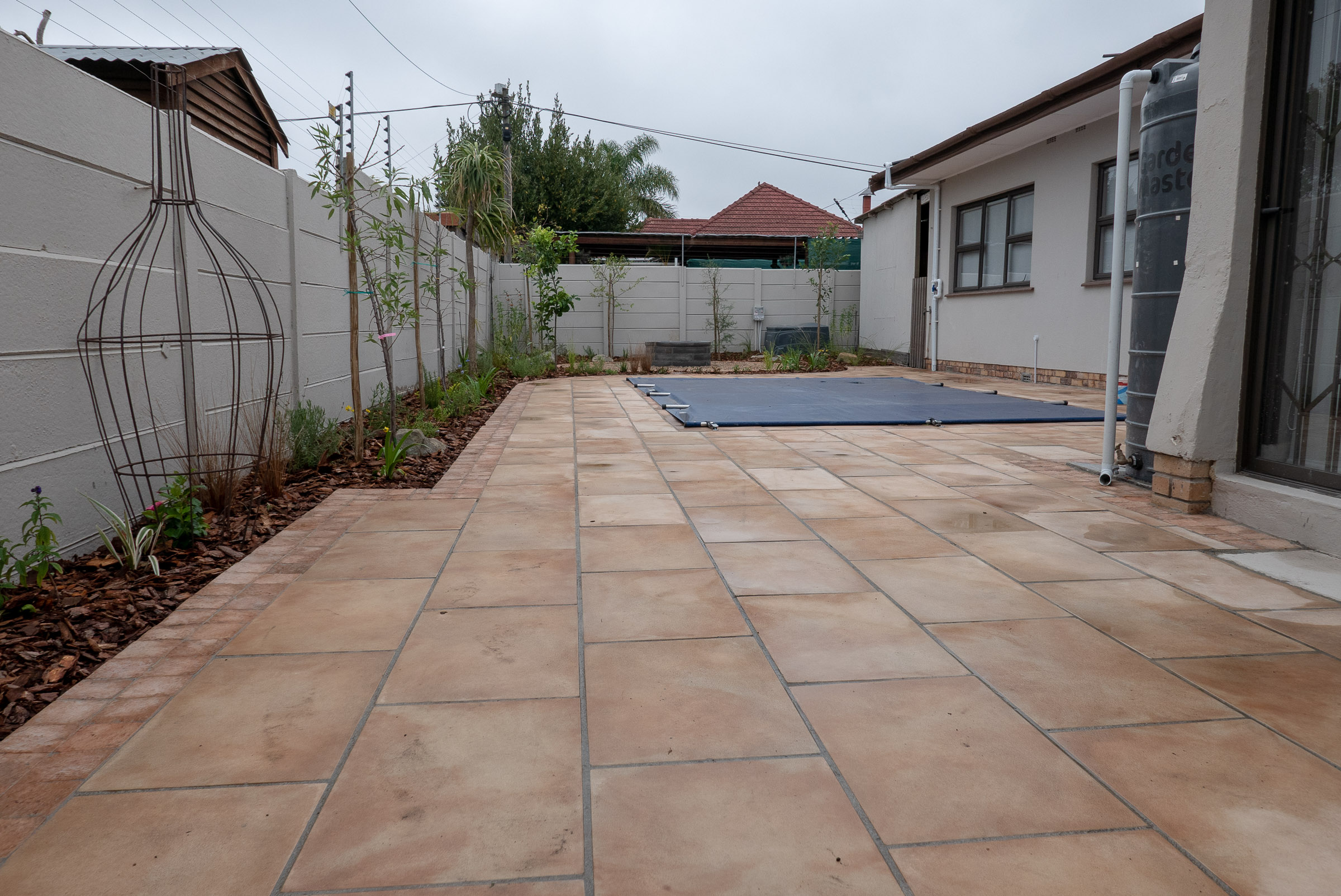
Design Reference
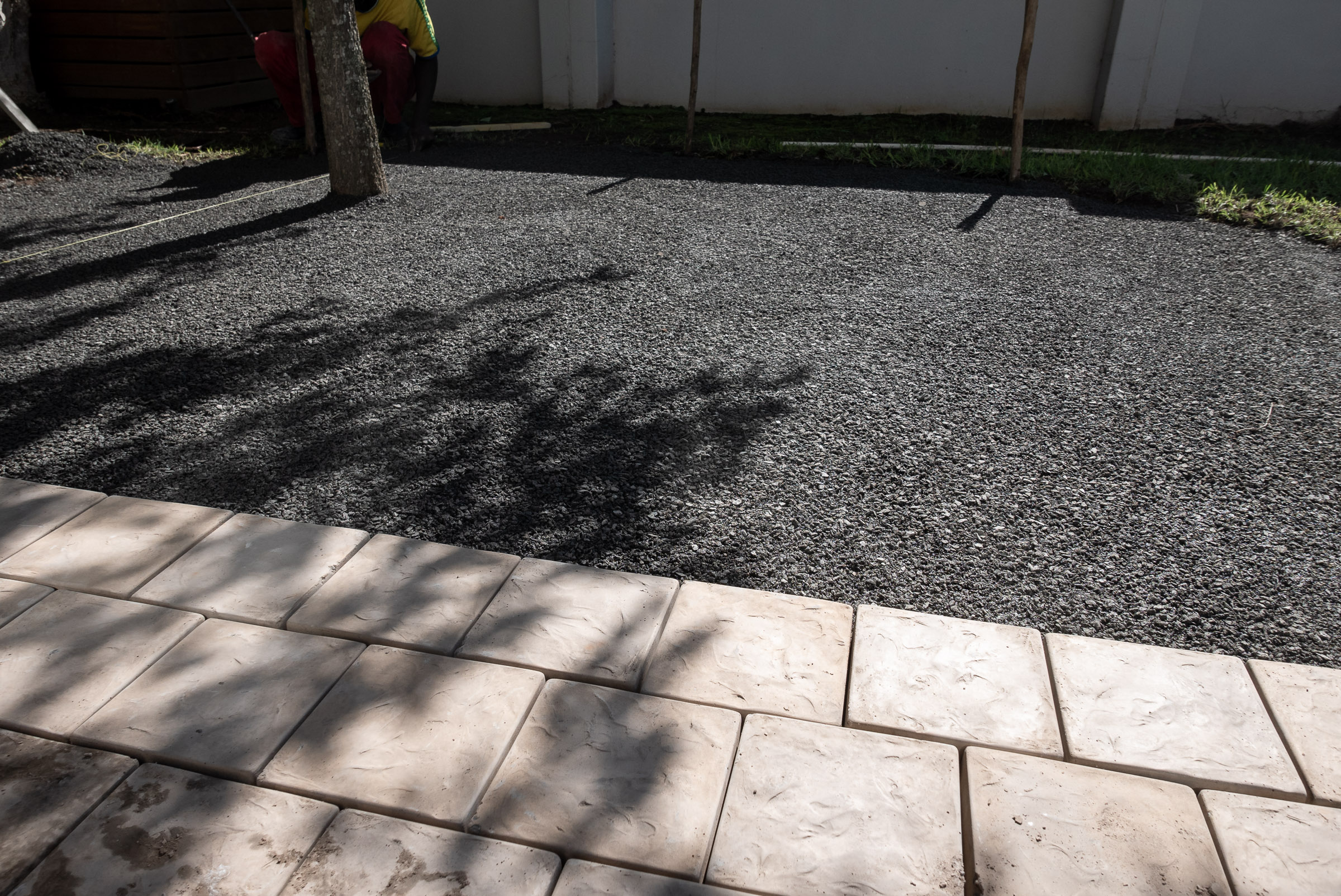
At Welgelegen Terrace, the consistent joints between the Kent Cobbles reinforce the paving’s orderly pattern and textured character. Their controlled spacing helps the individual units remain visible while allowing the terrace to read as one calm, cohesive surface.
Groundwork Insight
Good paving is shaped as much by the spaces between the units as by the units themselves.